
10 Effective Ways to Keep Your Skin Hydrated for a Glowing Complexion
Updated: Apr 19

Hydrated skin is the foundation of a healthy, radiant complexion. When your facial skin is properly moisturized, it looks plump, smooth, and vibrant. On the other hand, dehydration can cause dryness, flakiness, fine lines, and a dull appearance. Understanding how hydration supports your skin and learning practical ways to maintain it can transform your skincare routine and boost your confidence.
This post explores why hydration matters for your skin and shares ten effective methods to keep it well-moisturized every day.
Why Hydration Is Essential for Facial Skin
Your skin is the body's largest organ and acts as a barrier against environmental stressors. Water makes up about 64% of your skin’s composition, playing a critical role in maintaining its elasticity and barrier function. When your skin lacks water, it becomes vulnerable to irritation, sensitivity, and premature aging.
Hydration helps:
Maintain skin elasticity and firmness
Prevent dryness and flakiness
Support the skin’s natural repair processes
Enhance the effectiveness of skincare products
Create a smooth, glowing surface
Drinking water alone is not enough to keep your facial skin hydrated. You need a combination of internal hydration and external care to achieve the best results.
1. Drink Plenty of Water Daily
The simplest and most effective way to hydrate your skin is to drink enough water. Aim for at least 8 glasses (about 2 liters) per day. Water helps flush out toxins and supports cellular functions that keep skin healthy.
Tips to increase water intake:
Carry a reusable water bottle
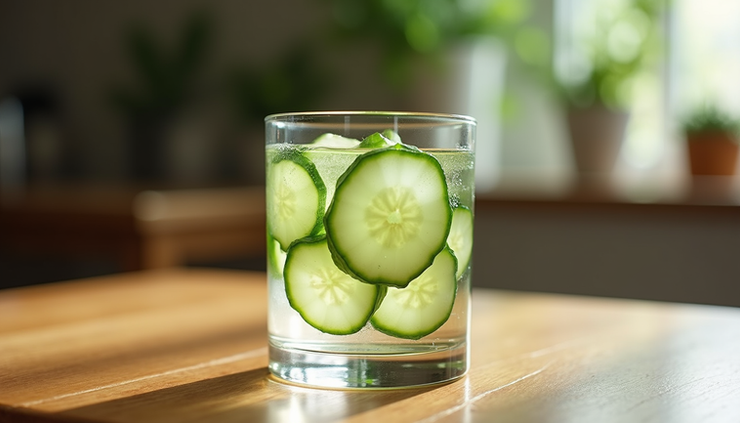
Add natural flavors like lemon or cucumber
Set reminders to drink water throughout the day
Keep in mind that factors like exercise, climate, and diet affect your hydration needs.
2. Use a Gentle, Hydrating Cleanser
Harsh cleansers strip away natural oils and moisture, leaving skin dry and tight. Choose a gentle, hydrating cleanser that removes dirt without disrupting your skin’s moisture barrier.
Look for ingredients such as:
Glycerin
Hyaluronic acid
Aloe vera
Avoid products with sulfates or alcohol, which can cause dryness.
3. Apply a Moisturizer Suitable for Your Skin Type
Moisturizers lock in hydration and protect the skin from moisture loss. Select a moisturizer based on your skin type:
Dry skin: Rich creams with oils and emollients
Oily skin: Lightweight, non-comedogenic gels or lotions
Combination skin: Balanced formulas that hydrate without heaviness
Ingredients like ceramides, squalane, and hyaluronic acid are excellent for maintaining hydration.
4. Incorporate Hydrating Serums
Serums with concentrated hydrating ingredients penetrate deeper layers of the skin. Hyaluronic acid serums are especially popular because they attract and hold water molecules, providing intense moisture.
Apply serum after cleansing and before moisturizing for best absorption.
5. Use Facial Mists Throughout the Day
Facial mists provide a quick hydration boost and refresh your skin. Look for mists containing soothing ingredients like rose water, chamomile, or aloe vera.
Spritz your face lightly whenever your skin feels dry or tight, especially in dry environments or during air travel.
6. Avoid Hot Water When Washing Your Face
Hot water strips away natural oils and damages the skin barrier. Use lukewarm water instead to cleanse your face gently without causing dehydration.
Finish with a splash of cool water to close pores and refresh your skin.
7. Protect Your Skin from Harsh Weather
Cold, windy, and dry weather can sap moisture from your skin. Protect your face by:
Wearing a scarf or hat
Using a richer moisturizer in winter
Applying a barrier cream if exposed to wind
In summer, use sunscreen with moisturizing properties to shield skin from UV damage and moisture loss.
8. Exfoliate Regularly but Gently
Dead skin cells can block moisture absorption. Exfoliating removes these cells, allowing your skin to better absorb hydrating products.
Choose gentle exfoliants like:
Enzyme-based scrubs
Mild chemical exfoliants (AHAs or BHAs)
Limit exfoliation to 1-2 times per week to avoid irritation.
9. Eat a Balanced Diet Rich in Hydrating Foods
Certain foods help hydrate your skin from the inside out. Include:
Water-rich fruits and vegetables (cucumbers, watermelon, oranges)
Healthy fats (avocados, nuts, olive oil) to support the skin barrier
Omega-3 fatty acids (found in fish and flaxseeds) to reduce inflammation
Avoid excessive caffeine and alcohol, which can dehydrate your skin.
10. Get Enough Sleep and Manage Stress
Sleep allows your skin to repair and regenerate. Lack of sleep can lead to dehydration and dullness. Aim for 7-9 hours of quality sleep each night.
Stress triggers hormone changes that may dry out your skin. Practice stress-reducing activities like meditation, yoga, or deep breathing to support skin hydration.


Great info